PART 1 — THE NIGHT I FINALLY WALKED AWAY
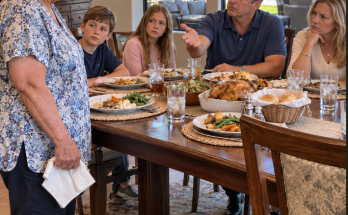
My mother pushed the BMW repair bill across the dinner table and said, “You have until tonight to decide.”
I looked at the number.
$2,500.
Then I looked at my twenty-two-year-old sister, Chloe, who was sitting across from me with tears in her eyes.
She had spent the previous weekend at a luxury resort.
Now she needed me to pay for her car.
Again.
My father folded his arms.
“You’re going to cover it, Maya.”
I almost laughed.
Not because it was funny.
Because I had heard those words so many times that they had stopped sounding real.
For years, whenever Chloe made a bad financial decision, my parents somehow found a way to turn it into my responsibility.
Her rent?
I helped.
Her credit-card balance?
I helped.
Her emergency dental bill?
I helped.
The deposit on her BMW?
I helped with that too.
And every time, my parents called it “supporting family.”
But that night, something was different.
“I’m not paying it,” I said.
The room went silent.
My mother stared at me.
“What did you say?”
“I said no.”
Chloe immediately started crying.
“You don’t understand. I need the car for work.”
“You also needed the money you spent on your vacation,” I replied.
My father slammed his hand against the table.
“Enough.”
I looked at him.
“No. Actually, I think I’ve been quiet long enough.”
My mother’s expression hardened.
“You’ve become incredibly selfish.”
I almost smiled.
I had spent years sacrificing my own plans so Chloe could keep hers.
But apparently saying no once made me selfish.
My mother slowly pushed the invoice toward me again.
“Pay it.”
“No.”
“Then leave.”
I stared at her.
She continued.
“If you won’t help your own sister, you don’t deserve to call yourself part of this family.”
My father nodded.
Then my mother said the words I never expected to hear.
“You’re dead to this family.”
For a few seconds, nobody moved.
I felt something inside me break.
But it wasn’t my heart.
It was the last piece of guilt keeping me at that table.
I stood.
Chloe looked up at me.
“You’re really going to abandon me over a car?”
I picked up my coat.
“No, Chloe.”
I looked at my parents.
“I’m leaving because I finally realized you never needed a daughter.”
My mother frowned.
“What does that mean?”
“You needed a wallet.”
Nobody spoke.
I walked toward the door.
My father called after me.
“You’ll come crawling back!”
I stopped.
I turned around.
“No.”
Then I opened the door.
And walked away.
I didn’t know where I was going.
I didn’t know where I would sleep.
I didn’t know what tomorrow would look like.
But for the first time in my adult life, I wasn’t carrying someone else’s financial problem on my shoulders.
Then, as I drove through the city, my phone buzzed.
I glanced at the screen.
A banking notification.
At first, I almost ignored it.
Then I saw the account name.
It was an old investment account I hadn’t accessed in years.
I pulled into a parking lot.
My hands suddenly felt cold.
I opened the account.
And stared at the balance.
I blinked.
Then checked again.
The number hadn’t changed.
There was more than enough money to buy a house.
More than enough to start over.
But the balance wasn’t what frightened me.
It was the name attached to the most recent transaction.
Because it belonged to someone who had been dead for nearly six years.
PART 2 — THE ACCOUNT MY FAMILY NEVER KNEW EXISTED
I sat in that parking lot for almost twenty minutes, staring at the screen.
The last deposit had been made six years earlier.
The sender was my grandmother.
My grandmother had always been different from the rest of my family.
She was quiet.
Observant.
And strangely protective of me.
When I was growing up, she used to tell me something I never fully understood.
“Never let people convince you that being generous means you owe them everything.”
At the time, I thought it was just an old woman’s advice.
Now I wondered if she had known exactly what my parents were doing.
I called the bank.
After several security questions, the representative confirmed what I had been afraid to believe.
The account had been established years ago.
My grandmother had deposited money into it gradually.
Then, shortly before she died, she had transferred the remaining investments into the account under my name.
There was one condition.
I wasn’t supposed to access the money until I reached thirty.
I had turned thirty the previous year.
I had completely forgotten about it.
Then the representative said something that made my stomach drop.
“There is also a document attached to the account.”
“What kind of document?”
“A letter from your grandmother.”
My hands started shaking.
The bank emailed it to me.
I opened it.
The first line read:
“Maya, if you’re reading this, then you’ve probably finally learned what your family is willing to ask of you.”
I stopped breathing for a moment.
She knew.
Not everything.
But enough.
She wrote about watching me constantly rescue my parents and sister.
She wrote about the times I canceled vacations because Chloe needed money.
The times I worked extra hours to cover family expenses.
The times my parents told me I was “lucky” to have enough money to help.
Then came the part that made me cry.
“You are not selfish for wanting a life of your own.”
I wiped my eyes.
My grandmother had left me a substantial investment portfolio.
But she had left something else too.
A small property she owned outside the city.
The title had been transferred to me years earlier.
I had never known.
I sat in my car reading the documents over and over.
Then I realized something.
My parents had spent years telling me I couldn’t survive without them.
But my grandmother had quietly prepared a life for me outside their control.
The next morning, I met with an attorney.
I showed her the documents.
She smiled.
“Your grandmother planned this carefully.”
“What does that mean?”
“It means this money is yours. Completely.”
I leaned back.
For the first time, I felt something I hadn’t felt in years.
Freedom.
But then my phone rang.
It was my mother.
I almost didn’t answer.
Finally, I did.
Her voice was cold.
“Are you coming home?”
“No.”
“We’ve discussed this.”
“No, Mom. You gave me a choice.”
She went silent.
Then she said,
“You’re still my daughter.”
I closed my eyes.
“Then you should have treated me like one.”
She started crying.
“We need your help.”
I looked out the window.
For years, those words would have broken me.
This time, they didn’t.
“What happened?”
“Chloe’s car is still at the repair shop.”
I almost laughed.
“You’re calling me because of the BMW?”
“She can’t get to work.”
“You told me I was dead to the family.”
“That was said in anger.”
“No.”
I shook my head.
“It was said because you finally believed I would say no.”
Then I hung up.
I thought that was the end.
It wasn’t.
That evening, I arrived at the property my grandmother had left me.
It was a small house surrounded by trees.
Nothing luxurious.
Nothing impressive.
But it was mine.
I stood in the doorway and cried.
Not because I was sad.
Because nobody could ask me for anything there.
Nobody could guilt me.
Nobody could tell me what I owed them.
I started planning my new life.
Then, three days later, someone knocked on the door.
I opened it.
My parents were standing outside.
And they weren’t alone.
Chloe was with them.
My father held a folder in his hand.
My mother looked furious.
And Chloe was crying.
My father lifted the folder.
“We need to talk about the house.”
I frowned.
“What house?”
He looked directly at me.
“The one Grandma left you.”
My blood went cold.
“How do you know about that?”
My mother stepped forward.
“Because your grandmother didn’t leave it to you for the reason you think.”
PART 3 — THE TRUTH MY FAMILY HAD BEEN HIDING
I didn’t let them inside.
My father stood on the porch holding the folder.
“Your grandmother promised this property to the family,” he said.
I stared at him.
“Then why is my name on the deed?”
He hesitated.
My mother immediately interrupted.
“She was elderly. She wasn’t thinking clearly.”
I almost laughed.
“My grandmother was sharp until the day she died.”
Nobody answered.
I looked at the folder in my father’s hand.
“What is that?”
He handed it to me.
Inside were old documents.
My grandmother’s will.
Several financial statements.
And a letter.
But this wasn’t the letter the bank had sent me.
It was an older one.
I began reading.
And within seconds, I understood why my parents were standing on my porch.
My grandmother had discovered that my parents had been using my name on financial documents without my knowledge.
Years earlier, they had opened accounts connected to me.
They had taken out loans.
They had moved money between accounts.
And they had planned to use the property she left me as collateral if Chloe’s debts became too large.
My grandmother had found out.
So she changed everything.
She moved the property into my name.
Created the investment account.
And left instructions that nobody else could control the assets.
At the bottom of the letter, she had written:
“If they ever tell you that you owe them because they are family, remember this: family does not demand your future as payment for their mistakes.”
I looked up.
My father was silent.
My mother had tears in her eyes.
Chloe looked confused.
“Mom?”
My mother didn’t answer.
I turned toward my father.
“Did you know?”
He looked away.
That was my answer.
I looked at Chloe.
“Did you know they were planning to use my property?”
“No.”
She looked genuinely shocked.
For the first time, I realized something.
Maybe Chloe had been selfish.
Maybe she had been irresponsible.
But she hadn’t known the whole story either.
My mother stepped forward.
“We were trying to protect everyone.”
“No,” I said quietly.
“You were trying to protect yourselves.”
She started crying.
My father finally spoke.
“We made mistakes.”
“You made choices.”
He looked at me.
“You’re our daughter.”
“And I wanted to be.”
My voice cracked.
“I wanted to be the daughter who could trust her parents.”
The porch became silent.
Then I held out the folder.
“You can keep your BMW.”
Chloe looked at me.
“What?”
“I won’t pay for it.”
Her eyes filled with tears.
“But you don’t have to.”
She looked confused.
I continued.
“You’re going to sell it.”
She stared at me.
“What?”
“You bought a car you couldn’t afford. That’s your responsibility.”
For a moment, she looked angry.
Then she looked down.
Finally, she nodded.
“Okay.”
My mother shook her head.
“You would really let your sister struggle?”
I looked at her.
“No.”
I took a breath.
“I’m letting her learn.”
That sentence changed something.
Chloe wiped her face.
Then she turned toward my parents.
“Mom… Dad… did you really plan to take her house?”
Neither answered.
Chloe’s face fell.
And suddenly, she understood why I had walked away.
She turned back to me.
“I’m sorry.”
I nodded.
“Thank you.”
I didn’t invite them inside.
Not that day.
Not for a long time.
But I didn’t spend the rest of my life hating them either.
I changed my phone number.
Moved into my grandmother’s house.
Built my savings.
Started investing.
And, for the first time, made financial decisions based on what I wanted—not what everyone else expected from me.
Months later, Chloe sold the BMW.
She paid off the repair bill herself.
She also got a second job and slowly started rebuilding her finances.
My parents eventually apologized.
It took time before I believed them.
And even longer before I trusted them.
But I learned something more valuable than the money my grandmother left me.
Sometimes walking away isn’t revenge.
Sometimes it’s the first act of self-respect.
My family thought $2,500 was enough to make me choose between my money and my family.
They were wrong.
The $2,500 didn’t destroy my family.
It simply revealed what my family had become.
And the forgotten account my grandmother left behind?
That didn’t just give me money.
It gave me the courage to finally stop paying for people who had never stopped taking.
Type “MORE” if you believe saying NO to family can sometimes be the hardest—and healthiest—choice you ever make.